Living in Pune has its perks—great weather, growing infrastructure and a vibrant lifestyle. But if you or your family members suffer from sneezing, itchy eyes or breathing trouble at home, there’s a good chance your mattress and carpets are silently to blame. Sounds surprising? Don’t worry—you’re not alone.
Your home may look clean on the surface, but deep inside your mattress and carpet fibers, allergens can live rent-free. The good news? With the right cleaning habits and a little awareness, you can turn your home into a much more allergy-friendly space.
Let’s break it down in a simple, practical way.
Understanding Allergies in Pune Homes
Common Indoor Allergens in Pune
In Pune homes, the most common indoor allergens include:
-
Dust mites
-
Pet dander
-
Pollen carried indoors
-
Mold spores
-
Dead skin cells
-
Bacteria and fungi
These tiny troublemakers are invisible but powerful enough to trigger big reactions.
Why Pune’s Climate Makes Allergies Worse
Pune’s mix of dust, traffic pollution and humid monsoon months creates the perfect environment for allergens. Humidity helps dust mites and mold thrive, while dry, dusty months increase airborne particles. It’s a double whammy.
Why Mattresses and Carpets Are Allergy Hotspots
Dust Mites and Their Hidden Habitat
Your mattress is like a five-star hotel for dust mites. Warmth, moisture from sweat and dead skin cells make it a perfect breeding ground. Even a clean-looking mattress can hold millions of dust mites.
Pet Dander, Pollen and Mold Spores
Carpets act like giant filters. They trap pollen from outside, pet hair, dander and even microscopic mold spores. Every time you walk on them, those allergens get released into the air.
How Moisture Traps Allergens
Moisture is the real villain. Damp carpets and mattresses allow mold and bacteria to grow. Once mold starts, allergies often get worse very quickly.
Signs Your Mattress and Carpet Are Triggering Allergies
Morning Sneezing and Blocked Nose
If you wake up sneezing or with a blocked nose, your mattress is a strong suspect.
Itchy Skin and Watery Eyes
Allergens can irritate your skin and eyes while you sleep or relax on carpets.
Asthma and Breathing Issues
For asthma patients, dirty mattresses and carpets can trigger nighttime coughing and wheezing.
The Importance of Regular Mattress Cleaning
Health Benefits of a Clean Mattress
A clean mattress means:
-
Better sleep quality
-
Fewer allergy symptoms
-
Less skin irritation
-
Improved breathing at night
How Often Should You Clean Your Mattress?
Ideally:
-
Light vacuuming: Every 2–3 weeks
-
Deep cleaning: Every 6 months
-
Professional cleaning: Once a year (or more if allergies are severe)
Step-by-Step Mattress Cleaning for Allergy Control
Vacuuming Techniques for Mattresses
Use a vacuum with a HEPA filter. Go slow and cover:
-
Entire surface
-
Seams and edges
-
Under mattress (if possible)
This helps remove dust, mites and dead skin.
Steam Cleaning for Deep Sanitization
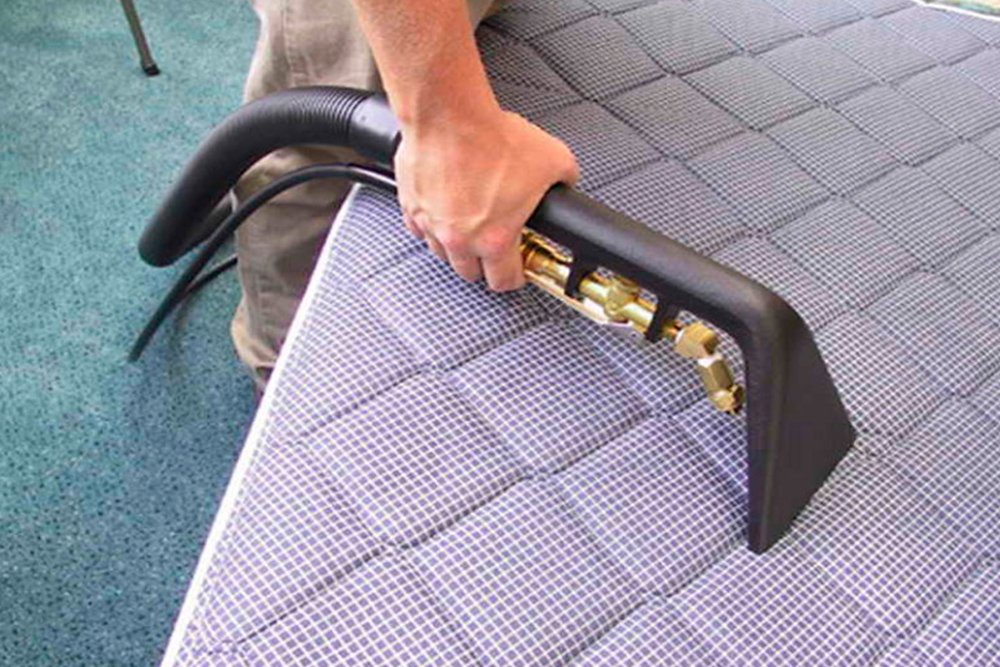
Steam cleaning kills dust mites and bacteria using high heat. It’s one of the most effective allergy-control methods.
Sun-Drying and Natural Deodorizing
Sunlight is a natural disinfectant. If possible, expose your mattress to sunlight for a few hours. It helps reduce moisture and odors.
Choosing the Right Mattress Protectors
Waterproof vs Breathable Protectors
Waterproof protectors block sweat and spills but can feel hot. Breathable protectors are more comfortable and still block allergens.
Hypoallergenic Mattress Covers
These fully encase the mattress and prevent dust mites from entering or escaping. Great for people with strong allergies.
Carpet Cleaning for Allergy-Free Living
Why Carpets Trap More Allergens
Carpet fibers hold on to:
-
Dust
-
Hair
-
Pollen
-
Food crumbs
-
Moisture
This makes them a long-term allergen storage unit.
High-Traffic Areas and Risk Zones
Living rooms, bedrooms and hallways are the worst. More foot traffic = more dirt and allergens.
Best Carpet Cleaning Methods in Pune
Hot Water Extraction (Steam Cleaning)
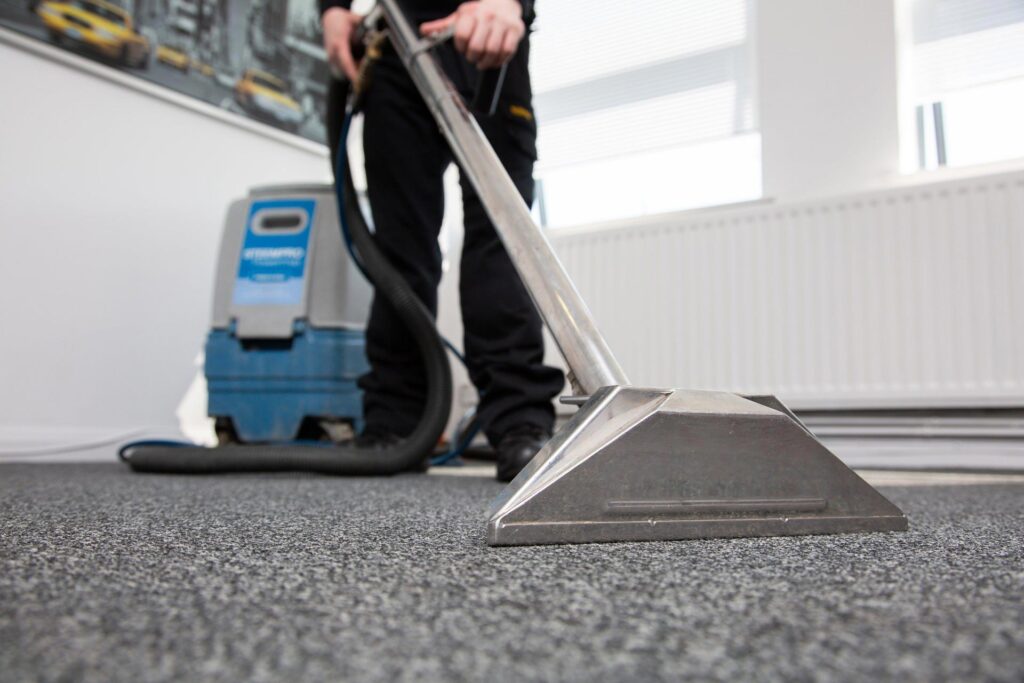
This is the gold standard. Hot water and suction remove deep-seated dirt and allergens.
Dry Carpet Cleaning
Good for quick drying, especially during monsoon. Uses minimal moisture.
Shampooing vs Steam Cleaning
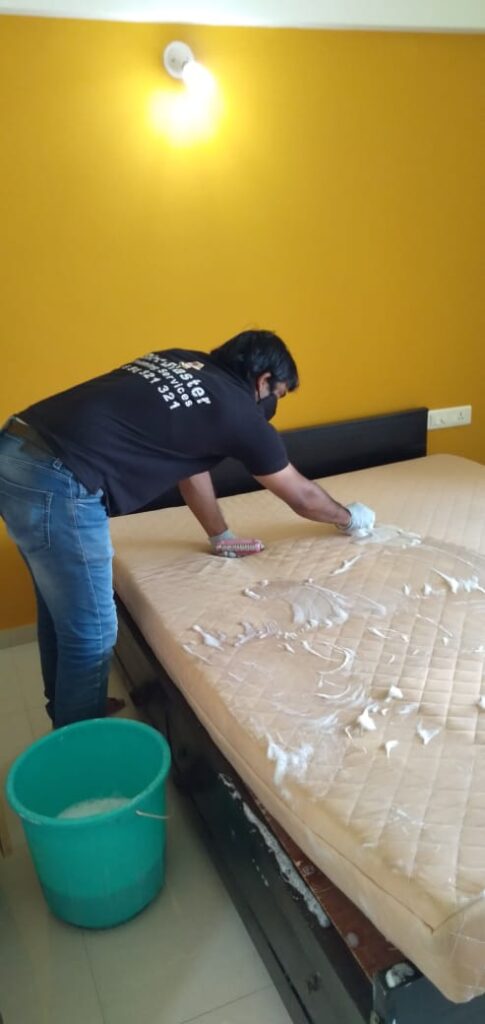
Shampooing can leave residue that attracts more dirt. Steam cleaning is better for allergy control.
DIY vs Professional Carpet Cleaning
When DIY Is Enough
DIY vacuuming and spot cleaning is fine for:
-
Light dirt
-
Regular maintenance
-
Small areas
When to Call Professionals
Professional cleaning is needed when:
-
Allergies are severe
-
Carpets smell musty
-
There’s visible mold
-
It’s been over 6–12 months
Professional machines extract far more allergens than home equipment.
Monsoon Challenges: Mold and Mildew
How Monsoon Increases Allergens
High humidity leads to:
-
Damp carpets
-
Mold growth
-
Musty smells
-
Increased dust mites
Preventing Dampness in Bedrooms and Living Areas
Use:
-
Dehumidifiers
-
Exhaust fans
-
Proper ventilation
-
Quick drying after cleaning
Pet Owners: Extra Allergy-Proofing Tips
Managing Pet Hair and Dander
Brush pets regularly and keep them off beds if allergies are serious.
Pet-Friendly Cleaning Practices
Wash pet bedding weekly and vacuum more frequently.
Air Quality and Its Role in Allergy Control
Using Air Purifiers Effectively
Air purifiers with HEPA filters can reduce airborne allergens significantly.
Ventilation Tips for Pune Homes
Open windows during low-pollution hours and avoid peak traffic times for ventilation.
Natural Remedies for Allergy Control
Baking Soda and Vinegar
Baking soda helps neutralize odors. Vinegar can help with surface mold (not deep carpet mold).
Essential Oils for Freshness (With Caution)
Some oils may irritate sensitive people. Use lightly and test first.
Creating a Weekly Allergy-Control Cleaning Routine
Simple Schedule for Busy Families
-
Vacuum carpets: 2–3 times a week
-
Dust surfaces: Twice a week
-
Wash bedding: Weekly
Bedroom and Living Room Focus
These areas affect your breathing the most, so give them priority.
Why Professional Deep Cleaning Makes a Big Difference
Industrial Equipment and Results
Professional machines:
-
Extract deeper dirt
-
Kill more bacteria
-
Remove more allergens
Long-Term Cost and Health Benefits
Fewer doctor visits, better sleep and improved productivity make professional cleaning a smart investment.
Conclusion
Allergy-proofing your Pune home isn’t about being obsessed with cleanliness—it’s about being smart. Your mattress and carpets silently collect allergens every day. By following regular cleaning habits, using the right methods and getting professional deep cleaning when needed, you can dramatically reduce allergy triggers.
Think of it like this: you service your car regularly to keep it running smoothly. Your home deserves the same care. Clean mattresses and carpets don’t just look good—they help you breathe better, sleep better and live better.
FAQs
1. How often should I deep clean my mattress in Pune?
At least once every 6 months and more often if you have allergies or pets.
2. Is steam cleaning safe for all carpets?
Most carpets are safe, but delicate materials should be checked before steam cleaning.
3. Can vacuuming alone remove dust mites?
Vacuuming helps but it cannot kill dust mites. Steam cleaning is more effective.
4. Does sunlight really help with allergens?
Yes, sunlight reduces moisture and helps kill some bacteria and mites naturally.
5. Are professional services worth the cost for allergy control?
Absolutely. They remove deep allergens that home cleaning simply can’t reach.
Our Most Popular Services in Pune & Pimpri Chinchwad
– Home Cleaning Services in Pune
– Sofa Cleaning Services in Pune
– Office Cleaning Services in Pune
– Bathroom Cleaning Services in Pune
– Kitchen Cleaning Services in Pune
– Carpet Cleaning Services in Pune
– Window Cleaning Services in Pune
– Mattress Cleaning Services in Pune
– Office Carpet Cleaning Services in Pune