
Cleaning your home should make it healthier and more comfortable, but the truth is that many homeowners think they’re cleaning well — when really they might be making mistakes that leave surfaces dirtier, damage materials or even spread germs. Whether you’re tackling spring cleaning or just doing your regular chores, knowing the right way to clean can save time, money, and a lot of frustration.
In Pune, where dust accumulates quickly and humidity can vary dramatically throughout the year, effective cleaning isn’t just about elbow grease — it’s about strategy. Let’s explore five of the most common cleaning mistakes Pune homeowners make and how you can fix them like a pro.
Why Cleaning Right Matters for Pune Homes
Pune’s climate — warm, dry spells followed by humid monsoon months — presents unique challenges for home maintenance. Dust settles fast, surfaces can trap grime and certain materials are more sensitive to moisture than others. Plus, effective cleaning goes beyond visual shine; it plays a vital role in health and hygiene.
Missed spots can harbur allergens and bacteria. Overuse of products can damage finishes. And the wrong approach can make rooms look clean while still leaving hidden grime behind. Understanding the common pitfalls helps you create cleaning habits that really deliver results — not just the appearance of clean but actual cleanliness that keeps your home fresh and safe.
Mistake #1: Using Too Much Cleaning Product
When it comes to cleaning, it’s tempting to think that “more is better.” But that simply isn’t true — and this is one of the most widespread mistakes homeowners make. Using too much cleaning product often backfires in multiple ways.
Why It Happens
We’ve all been guilty of squeezing extra liquid onto a grimy spot hoping it will vanish faster. Many cleaning products look milky or foam up and feel powerful, which tricks people into thinking that more product means deeper clean.
The Resulting Problems
Unfortunately, excess cleaner doesn’t just waste money — it can leave behind sticky residues. These residues attract new dirt, making surfaces dirtier faster and often requiring another cleaning session soon after. On hard floors and tiles, this residue can show up as a hazy film that dulls the finish. On wood and other sensitive surfaces, too much liquid or chemical can cause warping or damage over time.
How to Fix It
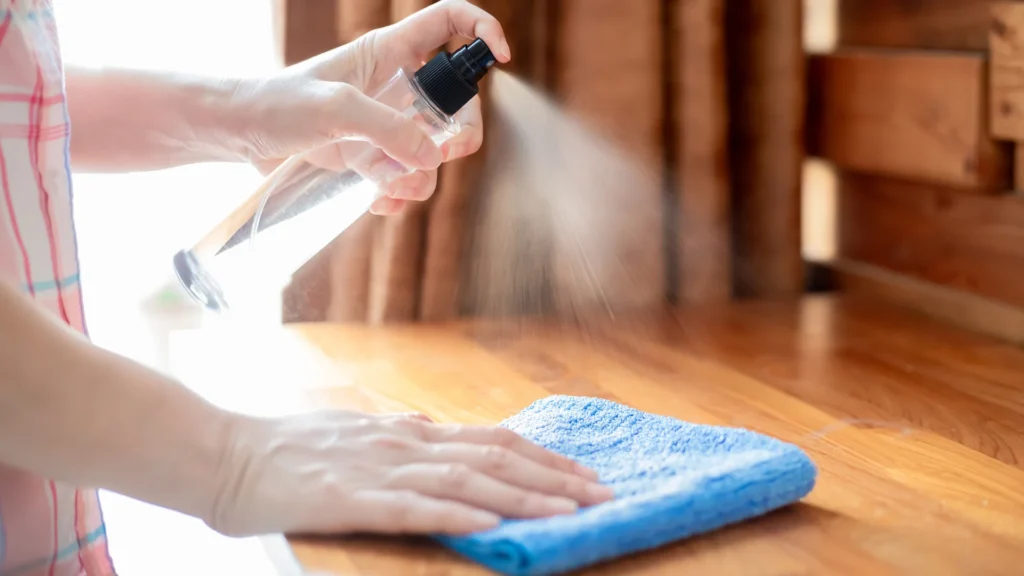
The best rule of thumb is to read and follow the label on every product. Most are designed to work at specific dilutions — meaning a small amount is actually more effective. Use a microfiber cloth with a light mist of cleaner instead of pouring bottles of liquid. Less product, paired with the right technique, gets rid of dirt without residue or damage.
Mistake #2: Ignoring High-Touch Surfaces
A spotless floor and gleaming countertops look great, but if you forget high-touch surfaces like doorknobs, switches and handles, you’re leaving behind areas that harbor germs and bacteria.
Common Areas Overlooked
Things like light switches, remote controls, cabinet knobs and even fridge handles are touched dozens of times a day. We often clean around them while focusing on visible areas, but that doesn’t remove the grime on these surfaces.
Risks to Health and Hygiene
These forgotten spots are among the most germ-laden in your home — they’re touched repeatedly by household members, visitors and even pets. Ignoring them increases the risk of spreading bacteria and viruses, especially during rainy or flu seasons.
Simple Solutions
Include high-touch spots in your regular checklist. A quick wipe with an EPA-registered disinfectant or a suitable pre-mixed eco-friendly solution will reduce microbes and improve hygiene. Over time, you’ll notice that your home feels fresher and healthier overall.
Mistake #3: Using the Wrong Product on the Wrong Surface
Not all cleaning agents are created equal — and neither are surfaces. What works on countertops might harm wood and what cleans bathroom tiles might dull stone finishes.
How This Happens
It’s easy to reach for an all-purpose cleaner without thinking twice. After all, convenience is appealing. But surfaces like marble, granite, wood and delicate fabrics each have specific cleaning needs.
Damage It Causes
Using acidic or harsh cleaners on sensitive materials can cause etching, dullness and even structural damage. For example, vinegar or bleach might seem strong, but on certain stone surfaces, they can erode the finish or cause discoloration.
Choosing the Right Product
Always read labels and ensure the cleaner is recommended for the surface you’re tackling. For stone and tile, use pH-balanced cleaners. For wood, stick to wood-safe sprays or diluted soap solutions. Spot testing in an inconspicuous area first helps confirm compatibility.
Mistake #4: Not Cleaning Tools and Equipment
Here’s a surprising truth: your cleaning tools can be part of the problem if you don’t maintain them regularly. Dirty mops, cloths and brushes just spread grime around rather than remove it effectively.
Why Tools Matter
Tools are meant to lift dirt, but if they’re already covered in grime or bacteria, they’re just redistributing what you’re trying to remove. It’s like wiping a dusty surface with another dusty cloth — the end result is a surface that looks cleaner but isn’t.
Problems from Dirty Tools
Unwashed tools can harbor bacteria, dust mites and odors. When you use them again, those contaminants get transferred back to your home’s surfaces, defeating the purpose of cleaning.
Proper Tool Care
Rinse and sanitize cloths, sponges and mop heads after each use. Replace them every few months — or sooner if they start to smell or look worn. Clean your vacuum filters and empty dustbins regularly to maintain suction and prevent dust from circulating back into the air.
Mistake #5: Cleaning in the Wrong Sequence
The order you clean in can make a big difference. Cleaning haphazardly often means you’ll have to redo tasks, wasting time and energy.
Common Inefficient Patterns
Many homeowners clean room by room, top-to-bottom or worse — start with the floor before doing anything else. This can cause dust and debris to fall onto surfaces you’ve already cleaned.
Why Order Matters
Dust and particles naturally fall downward. So if you vacuum before dusting, you’re just moving dirt around. A systematic approach ensures debris gets collected in one pass.
Best Cleaning Order
Start from the top of a room — ceiling fans, light fixtures and shelves — and work downward. Dust first, then wipe surfaces and finish with vacuuming or mopping. This ensures that particles displaced during earlier steps are collected at the end.
Bonus Mistake: Neglecting Hidden and Forgotten Areas
Beyond the big five, many homeowners overlook hidden areas — behind furniture, under appliances and inside closets. These spots quietly accumulate dirt and allergens. Regularly moving furniture to clean behind it and wiping down baseboards can significantly improve indoor air quality and reduce dust buildup.
Creating a Smart Cleaning Checklist
A checklist transforms cleaning from guesswork to a plan. Divide tasks into daily, weekly and monthly items. For example, daily tasks can include wiping high-touch areas and tidying clutter, while weekly jobs might involve mopping floors and cleaning bathrooms. Monthly routines can tackle windows, sofa vacuuming and under-furniture dusting.
How Often Should You Deep Clean Different Areas
Different parts of your home have varying needs. Kitchens and bathrooms benefit from weekly deep cleaning due to moisture and grease buildup. Bedrooms and living areas need bi-weekly attention if you have pets or kids. Floors, curtains and upholstery may only need deep care monthly unless you notice visible grime.
Common Misconceptions About Cleaning
There are plenty of myths — like “newspaper is best for windows,” which actually can cause streaks due to modern inks. Similarly, “more cleaner means better results” is false; excess chemical residues attract more dirt, not less. Knowing the science behind cleaning helps you avoid these myths and choose better practices.
Essential Cleaning Tools Every Home Should Have
Good tools make cleaning easier and more effective — think high-quality microfiber cloths, multi-surface vacuum, gentle brushes and reusable mop heads. These tools give you better results with less effort and encourage regular maintenance.
How Professional Cleaners Tackle These Mistakes
Professional cleaners like Dirt Blaster Cleaning Services follow a methodical approach — right products, systematic order, spotless tools and a complete checklist. They also use industry-grade solutions and know how different materials react, which minimizes damage and improves results faster than trial-and-error home cleaning.
Budget-Friendly Cleaning Product Recommendations
Not all effective products are expensive. Many affordable eco-friendly sprays, diluted detergents and baking soda solutions offer great results without harming surfaces or your budget.
Tips to Protect Surfaces While Cleaning
Protect delicate surfaces with gentle products and avoid abrasive tools. For wood and marble, mild cleaners followed by dry polishing will preserve finish and shine. Always test products on a small area before applying them to large surfaces.
Benefits of Correct Cleaning Techniques
Cleaning the right way reduces wear on materials, improves air quality, saves time and enhances wellbeing. It also cuts down on the frequency of deep cleans and repairs — because you’re preserving surfaces instead of harming them.
Conclusion
Cleaning isn’t just about looking tidy — it’s about healthy living and smart maintenance. Avoiding these common mistakes helps Pune homeowners save effort and money while creating spaces that feel fresh, welcoming and truly clean. With the right tools, products and systems, your home can sparkle and stay that way longer.
FAQs
1. What’s the biggest mistake homeowners make when cleaning surfaces?
Most people use too much cleaning product, which leaves sticky residues that attract more dirt and damage finishes.
2. How often should I clean high-touch surfaces in my home?
High-touch areas like doorknobs and switches should be wiped down at least weekly to reduce germs and bacteria buildup.
3. Can using the wrong product really damage my home surfaces?
Yes — harsh or unsuitable cleaners can erode finishes, cause etching or discolor materials like wood, stone, and tile.
4. Why is cleaning order important?
Proper sequence prevents dust and debris from falling onto already cleaned surfaces, saving you time and effort.
5. Are eco-friendly cleaners more effective than traditional ones?
Eco-friendly cleaners can be just as effective when used correctly and they’re often safer for your family and indoor air quality — especially for regular use.
Our Most Popular Services in Pune & Pimpri Chinchwad
– Home Cleaning Services in Pune
– Sofa Cleaning Services in Pune
– Office Cleaning Services in Pune
– Bathroom Cleaning Services in Pune
– Kitchen Cleaning Services in Pune
– Carpet Cleaning Services in Pune
– Window Cleaning Services in Pune
– Mattress Cleaning Services in Pune
– Office Carpet Cleaning Services in Pune