
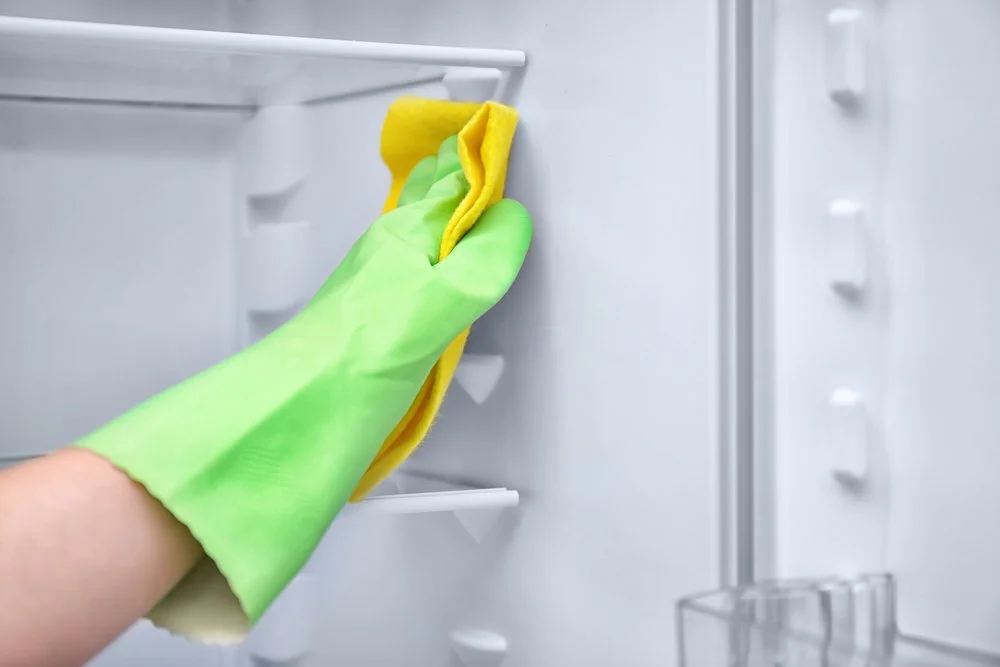
If you’ve ever woken up with a blocked nose, itchy eyes or constant sneezing—even when you’re indoors—you’re not alone. Many people assume allergies are only triggered by outdoor pollution, pollen or seasonal changes. But here’s the truth: your home itself could be the biggest source of allergens. That’s exactly why learning how to say goodbye to allergies with these home cleaning tips can completely transform your daily comfort and health.
Think about it for a second. Your home should be your safe zone—a place where you relax, breathe freely and feel at ease. But what if it’s quietly working against you? Dust mites hiding in your mattress, pet dander stuck deep inside your sofa, mold growing in damp corners and invisible airborne particles floating around—these are all common triggers that most homeowners overlook.
Here’s where things get interesting. You might already be cleaning your house regularly. Sweeping, mopping, dusting—it feels like you’re doing everything right. But allergies don’t just come from visible dirt. They come from microscopic particles that settle deep into surfaces and stay there unless removed properly. That’s the difference between basic cleaning and strategic cleaning.
When you truly understand how allergens behave—how they spread, where they hide and how they affect your body—you can take control of your environment. And the good news? You don’t need complicated systems or expensive equipment to start making a difference.
This guide will walk you through practical, effective and realistic strategies to say goodbye to allergies with these home cleaning tips. From room-by-room cleaning methods to long-term habits and deep cleaning techniques, you’ll learn exactly how to create a healthier, fresher and allergy-free home.
Understanding the Link Between Allergies and Home Cleanliness
Before jumping into cleaning methods, it’s important to understand why your home plays such a major role in triggering allergies. Many people underestimate how quickly allergens accumulate indoors and how easily they spread.
Common Indoor Allergens You Might Be Ignoring
Most allergens inside your home are invisible. You won’t see them, but you’ll definitely feel their effects. Dust mites are one of the most common culprits. These microscopic organisms thrive in warm, humid environments like mattresses, pillows and upholstery.
Pet dander is another major allergen. Even if you bathe your pets regularly, tiny skin flakes can still spread throughout your home and settle into fabrics. Mold spores, especially in damp areas like bathrooms and kitchens, can also trigger strong allergic reactions.
Then there’s pollen. You might think pollen stays outside, but it actually travels indoors through clothes, shoes and open windows. Once inside, it settles on surfaces and becomes part of your indoor air.
How Allergens Spread Inside Your Home
Allergens move around more than you think. Every time you sit on a sofa, fluff a pillow or walk across a carpet, you release particles into the air. These particles can stay airborne for hours before settling again.
Air circulation systems like fans and air conditioners can also spread allergens from one room to another. Without proper cleaning, your home becomes a continuous cycle of allergen movement.
That’s why simply cleaning visible surfaces isn’t enough. To truly reduce allergies, you need to target the sources and break this cycle.
Why Regular Cleaning Isn’t Always Enough
You might be cleaning your home every day, but still dealing with allergies. That’s because regular cleaning often focuses only on surface-level dirt.
Surface Cleaning vs Deep Cleaning
Surface cleaning includes tasks like sweeping floors, wiping tables and basic dusting. While these are important, they don’t remove deeply embedded allergens.
Deep cleaning, on the other hand, targets hidden contaminants. It includes washing upholstery, deep-cleaning carpets, sanitizing mattresses and cleaning air vents.
Think of surface cleaning as trimming the leaves of a plant, while deep cleaning removes the roots. If you want long-term relief from allergies, you need both.
Hidden Dirt That Triggers Allergies
Some of the dirtiest areas in your home are the ones you rarely clean. Mattresses can contain thousands of dust mites. Curtains collect dust over time. Carpets trap dirt, allergens and bacteria deep within their fibers.
Ignoring these areas allows allergens to build up gradually, making symptoms worse over time.
Say Goodbye to Allergies with These Home Cleaning Tips: Where to Begin
Starting your allergy-free cleaning journey doesn’t have to be overwhelming. The key is to approach it strategically.
Creating an Allergy-Free Cleaning Plan
Instead of trying to clean everything at once, create a simple plan. Divide your home into sections and tackle one area at a time.
Start with the rooms you use the most, such as the bedroom and living room. These areas have the highest exposure to allergens.
Set a weekly schedule for basic cleaning and a monthly schedule for deep cleaning tasks.
Choosing the Right Cleaning Tools
Using the right tools makes a huge difference. Microfiber cloths are excellent for trapping dust instead of spreading it. Vacuum cleaners with HEPA filters can capture even the smallest particles.
Avoid using dry dusters, as they tend to push dust into the air rather than remove it.
Room-by-Room Allergy Cleaning Strategy
Each room in your home has different cleaning needs. A targeted approach ensures better results.
Bedroom Cleaning for Allergy Relief
Your bedroom should be the cleanest place in your home because you spend several hours there every night. Wash bed sheets and pillow covers weekly in hot water.
Vacuum the mattress and consider using a mattress protector to prevent dust buildup.
Living Room Cleaning Tips
Sofas, curtains and carpets in the living room trap a lot of allergens. Regular vacuuming and occasional deep cleaning can make a big difference.
Kitchen Cleaning for Hygiene
The kitchen may not seem like an allergy hotspot, but food particles and moisture can lead to mold growth.
Bathroom Cleaning Essentials
Bathrooms are prone to mold due to humidity. Regular cleaning and proper ventilation are essential.
Deep Cleaning Techniques That Eliminate Allergens
Deep cleaning is the most effective way to reduce allergens.
Carpet and Upholstery Cleaning
Carpets and sofas act like reservoirs for allergens. Professional deep cleaning or steam cleaning can remove deep-seated dirt.
Air Vent and AC Cleaning
Air vents often accumulate dust and spread it throughout the home. Cleaning them improves indoor air quality.
Smart Habits to Keep Allergies Away
Consistency is key when it comes to allergy prevention.
Daily Cleaning Practices
Small habits like removing shoes at the door and wiping surfaces regularly can reduce allergen buildup.
Weekly and Monthly Cleaning Routine
Set aside time for deeper cleaning tasks such as washing curtains and cleaning mattresses.
Professional Cleaning vs DIY: What Works Better?
Sometimes, professional cleaning is the best solution.
When to Hire Professionals
If allergies persist despite regular cleaning, it may be time to hire experts.
Cost vs Benefit Analysis
Professional deep cleaning services like Dirt Blaster Cleaning Services may seem expensive, but the health benefits and long-term savings make it worthwhile.
Conclusion
Creating an allergy-free home isn’t about cleaning more—it’s about cleaning smarter. By understanding where allergens hide and using the right techniques, you can significantly reduce their presence.
Following these strategies will help you breathe easier, sleep better and enjoy a healthier living space. When done consistently, these simple changes can truly help you say goodbye to allergies with these home cleaning tips.
FAQs
1. What is the main cause of indoor allergies?
Dust mites, pet dander, mold and pollen are the most common causes.
2. How often should I deep clean my home?
At least once a month for best results.
3. Do air purifiers help with allergies?
Yes, especially those with HEPA filters.
4. Can professional cleaning reduce allergies?
Yes, it removes deep-seated allergens effectively.
5. Are natural cleaning products effective?
Yes, if used correctly, they can reduce allergens without harsh chemicals.
Our Most Popular Services in Pune & Pimpri Chinchwad
– Home Cleaning Services in Pune
– Sofa Cleaning Services in Pune
– Office Cleaning Services in Pune
– Bathroom Cleaning Services in Pune
– Kitchen Cleaning Services in Pune
– Carpet Cleaning Services in Pune
– Window Cleaning Services in Pune
– Mattress Cleaning Services in Pune
– Office Carpet Cleaning Services in Pune